


 Cardano
 Solana
 GRAM
GRAM Pirate Chain
 AEON
AEON Cookie DAO
 HOME
HOME MANEKI
 NEX
NEX PRO
PRO USDM
USDM GoМining
 Polyhedra Network
 LayerZero
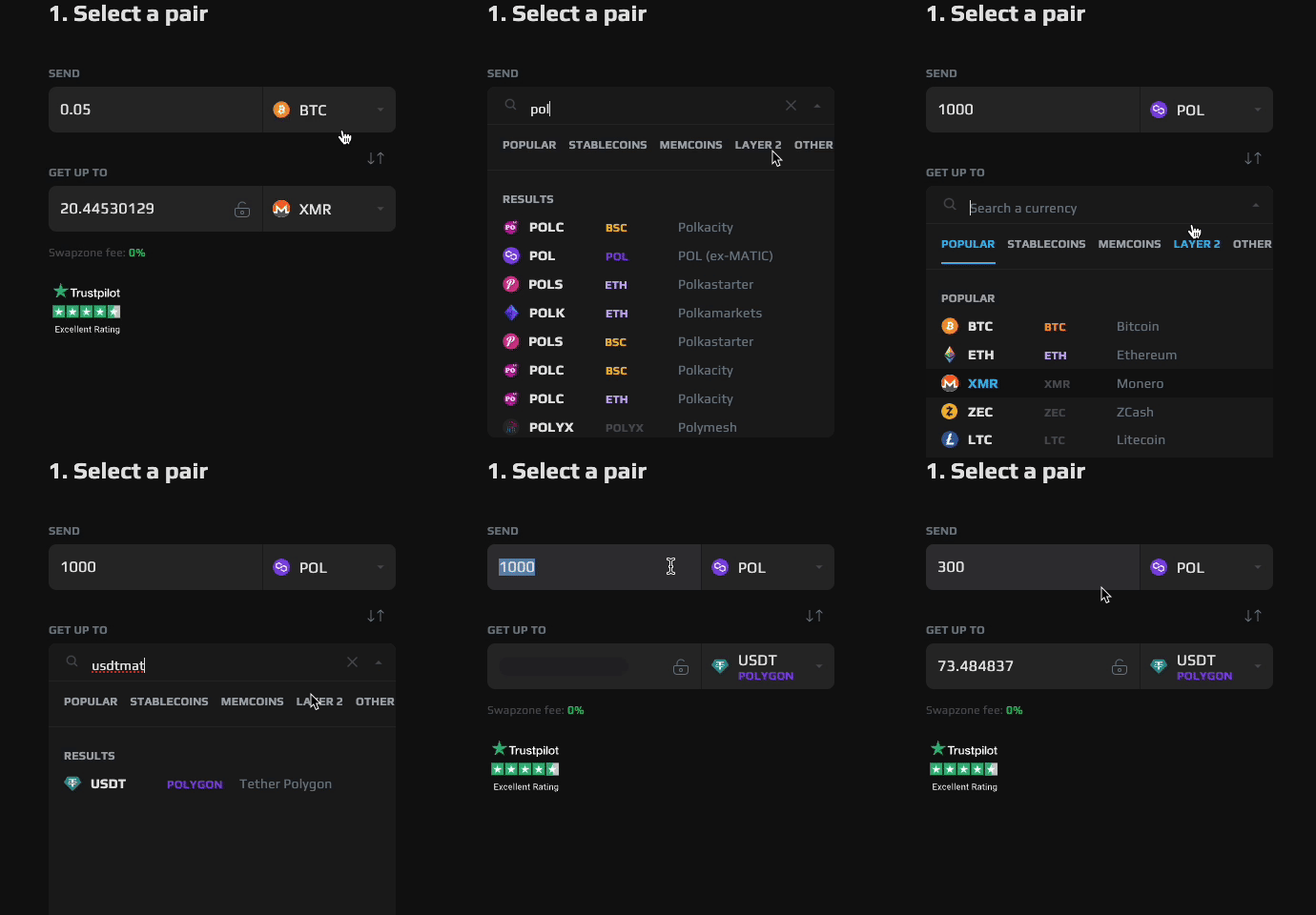

You can exchange crypto without going through KYC (Know Your Customer)
Gnosis (GNO) Exchange
GNO is the staking and governance token of Gnosis Chain — one of the most decentralised proof-of-stake networks globally, with over 300,000 active validators as of August 2025. Compare live rates from 18+ rated exchange partners before you send.
envoyer

GNOETH


get

Frais Swapzone : 0%

Gnosis (GNO) Market Data & Key Metrics
Price$ 111.40
24h % price
-0.12%
7d % price
-1.96%
Market Cap
$ 294,043,418.97
24h volume
$ 548,836.56
Coin supply
2,999,934.746
Popular GNO exchange pairs
Échanger GNO contrePairsStatus
Other Cryptocurrencies to Exchange
BitcoinbtcEthereumethMoneroxmrZCashzecLitecoinltcXRPxrpTetherusdtStellarxlmTRONtrxUSD CoinusdcCardanoadaSolanasolGRAMtonPirate ChainarrrUSDCEusdceopTAIKOtaikoAEONaeonbep20Cookie DAOcookiebep20HOMEhomesolIRONironironMANEKImanekisolNEXnexerc20PROproerc20UBBSCubbscUSDMusdmerc20GoМininggominingbep20Polyhedra Networkzkjerc20LayerZerozroavaxcLayerZerozrobaseLayerZerozrobep20
Popular Alternatives to Buy

What is GNO?
GNO is the governance and staking token of the Gnosis ecosystem — a full-stack Web3 infrastructure platform originally founded in 2015 that encompasses Gnosis Chain (an EVM-compatible Layer 1)
GNO tokenomics
Gnosis operates a hard-capped
What determines GNO's value
GNO's demand has combined three distinct channels
How to Exchange Gnosis on Swapzone
How to Choose the Best Gnosis Exchange?
There are dozens of instant crypto exchange services across the internet and numerous factors to consider when choosing the best platform to swap GNO — price, fees, speed, ratings, and KYC policies. The process might seem daunting, but Swapzone is here to help. We display all the information needed to exchange Gnosis at the best rate, fast and through a reliable exchange platform, so that you could make a swap with no custody and no registration.
By best rates
By the highest transaction speed
By best rating
On Swapzone, sort available GNO offers by Best Rate to find the provider giving you the most value for your swap. The top-ranked offer gets a green "Best Rate" label. GNO's relatively low trading volume compared to BTC or ETH means rate spreads between providers can vary — checking live rates before every swap is particularly worthwhile for larger GNO amounts.
Gnosis (GNO) Price Analysis
GNO's price is shaped by a combination of on-chain network activity, the aggregate performance of the Gnosis ecosystem products, broader crypto market conditions, and governance developments within GnosisDAO. Key factors specific to GNO include: staking demand on Gnosis Chain (GNO is required to participate in network validation), governance activity through GIPs, adoption metrics for Safe, CoW Protocol, and Gnosis Pay, and treasury management decisions by GnosisDAO. GNO has a hard-capped supply of 3,000,000 tokens with a deflationary trajectory — GnosisDAO approved a significant burn of vesting-contract tokens through GIP-116 in January 2025, reducing circulating supply. With a current circulating supply of approximately 2,999,934 GNO, individual token price reflects the total market capitalization of the Gnosis ecosystem without the price dilution typical of high-supply tokens.No GNO price prediction is certain — Gnosis is a volatile digital asset and can lose significant value rapidly. Governance proposals, changes in Ethereum network conditions, competitor protocols, and broader crypto market cycles can all affect GNO's price independently of ecosystem fundamentals. Always do your own research (DYOR) and consult independent sources before making any financial decision involving GNO or any other digital asset.Disclaimer: This content is for informational purposes only and does not constitute financial or investment advice. Swapzone is a non-custodial exchange aggregator — we compare rates across providers, not predict markets.
Frequently Asked Questions About Gnosis Exchange
What is GNO used for on Gnosis Chain?
Until the rollup transition
How many GNO exist
The cap is 3
What else is part of the Gnosis ecosystem?
Safe (multi-signature smart accounts)
What does GIP-153 change for GNO holders?
GnosisDAO approved GIP-153 on August 19
How do I exchange GNO on Swapzone
GNO is an ERC-20 token on Ethereum mainnet and also the native staking asset on Gnosis Chain
Why exchange Gnosis with Swapzone?
Sécurité accrue
We check all exchangers for the risk of freezing funds. Your funds will definitely reach you!

Meilleurs taux
We're showing the offers from the most popular and reliable exchange providers. Pick the best offer for your crypto pair!

Plus de 3000 devises disponibles
It's really hard not to find the crypto you need on Swapzone — 1,500+ assets available for exchange.

Swapzone Reviews

TrustPilot 4.7 |536 avis


Good and Fast Support
Tyler from Swapzone's Support team was very kind and helps me out proactively. Highly recommend this site.
Excellent and reliable platform
Reliable and easy to use without the cumbersome KYC! Excellent exchange platform.
Quick service
Quick service. Transaction was processed with ease. Thank you Swapzone
Learn More About Cryptocurrencies
How to Exchange Crypto Without Verification
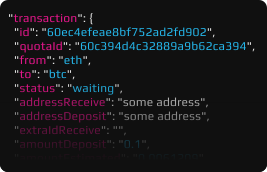
Crypto Exchange API
Enable crypto swaps, staking, loans, and fiat in your app—without building 30 integrations.
Crypto Wallet Security Tips
Why Should You Really Care About Bitcoin and Crypto Security?

Hidden Fees in Crypto: Why You Pay More Than You See
Uncover the hidden costs of crypto trades, from spreads to slippage, and learn how to minimize them
Our Exchange Partners
Contact us for partnership