


 Cardano
 Solana
 GRAM
GRAM Pirate Chain
 Lisk
Lisk Dogecoin
 Digibyte
 VeChain
 Steem
Steem Ardor
Ardor Dash
Dash Gnosis
 Bancor
 Aragon
 Basic Attention Token
 Decred
 Lunyr
Lunyr Enzyme
 PIVX
PIVX
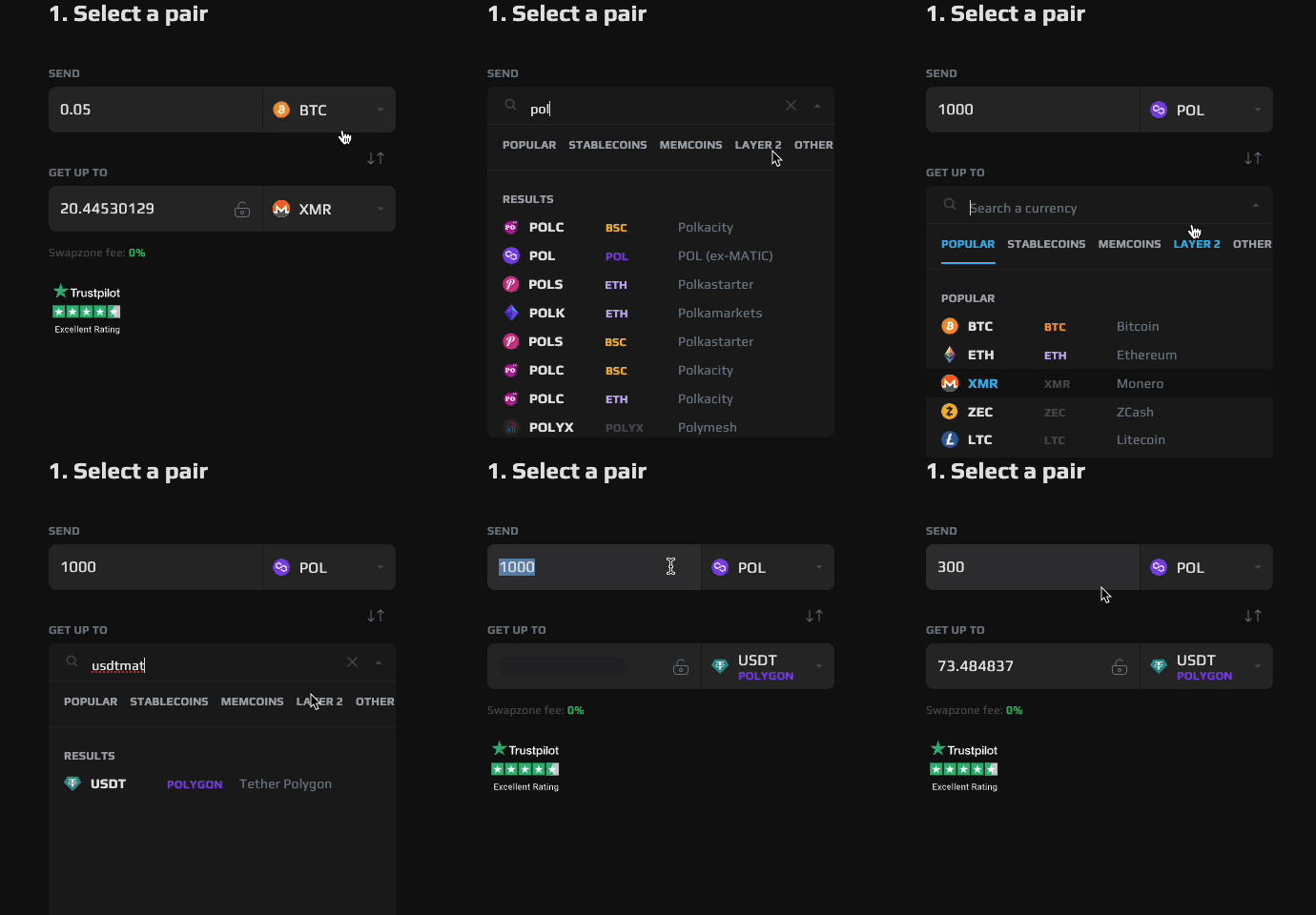

You can exchange crypto without going through KYC (Know Your Customer)
Muse (MUSE) Exchange
Looking to exchange MUSE? Swapzone offers a streamlined platform to compare rates, choose the best offer, and trade MUSE with ease. Whether you're new to crypto or a seasoned trader, our service ensures a smooth and secure transaction process. Start swapping today and take advantage of top-tier rates.
send

muse

get

Swapzone fee: 0%

Muse market data & key metrics
Price$ 0.24
24h % price
-1.28%
7d % price
-22.52%
Market Cap
$ 119,655.39
24h volume
$ 40.15
Coin supply
676,783.9
Popular MUSE exchange pairs
Exchange MUSE ForPairsStatus
Other Cryptocurrencies Exchange Pairs
BitcoinbtcEthereumethMoneroxmrZCashzecLitecoinltcXRPxrpTetherusdtStellarxlmTRONtrxUSD CoinusdcCardanoadaSolanasolGRAMtonPirate ChainarrrUSDCEusdceopLisklskDogecoindogeDigibytedgbVeChainvetSteemsteemArdorardrDashdashGnosisgnoBancorbntAragonantBasic Attention TokenbatDecreddcrLunyrlunEnzymemlnPIVXpivx
Popular Alternatives to Buy

What is a MUSE?
About Muse (MUSE)
Muse (MUSE) is a digital asset that operates on its own blockchain network. Like other cryptocurrencies, MUSE enables peer-to-peer transactions without relying on traditional financial institutions.
Every MUSE transaction gets recorded on a distributed ledger, making the network transparent and secure. The value of MUSE fluctuates based on market supply and demand, trading volume, and broader crypto market conditions.
Why Do People Trade Muse?
Traders exchange MUSE for various reasons: portfolio diversification, taking advantage of price movements, or converting to other cryptocurrencies. Muse pairs with thousands of other tokens, making it a versatile asset for crypto swaps.
Exchange platforms and aggregators like Swapzone let you compare MUSE rates across 20+ instant exchange services. This way, you can find the best rate without manually checking each provider – the whole process typically takes 5–30 minutes from start to finish.
How Muse Transactions Work
When you send MUSE, your transaction enters a queue and gets verified by the network. Each transaction requires a small network fee paid to validators or miners who process and confirm the transfer.
Network fees vary depending on how busy the blockchain is at any given moment. During high-traffic periods, fees increase – during quieter times, they drop. Timing your transactions or using exchange aggregators that optimize for fees can save you money on every swap.
How to exchange Muse on Swapzone
How to choose a Muse exchange?
There are dozens of instant crypto exchange services across the Internet and numerous factors to consider when choosing the best Muse exchange, such as MUSE price, fees, speed, ratings, and KYC policies. The process might seem daunting but Swapzone's here to help. We display all the information needed to exchange Muse at the best rate, fast and through a reliable exchange platform so that you could make a swap with no custody and no registration.
By best rates
By the highest transaction speed
By best rating
On Swapzone, you can opt for the most profitable exchange deal on the crypto market. To do that, sort available Bitcoin offers by rates by clicking on the Best Rate button above the offers. The most favorable MUSE exchange rate will be listed at the top with a green Best Rate label next to its exchange provider.
Muse MUSE Price Prediction
Muse (MUSE) price is shaped by a combination of on-chain network activity, exchange liquidity, market sentiment, and broader crypto market conditions. Key factors to track include MUSE adoption metrics, development milestones, and how Muse moves relative to Bitcoin during different market cycles.
No Muse price prediction is certain — MUSE is a volatile digital asset and can lose value rapidly. Always do your own research (DYOR) and consult independent sources before making any financial decision.Disclaimer: This content is for informational purposes only and does not constitute financial or investment advice. Swapzone is a non-custodial exchange aggregator; we compare rates across providers, not predict markets.
No Muse price prediction is certain — MUSE is a volatile digital asset and can lose value rapidly. Always do your own research (DYOR) and consult independent sources before making any financial decision.Disclaimer: This content is for informational purposes only and does not constitute financial or investment advice. Swapzone is a non-custodial exchange aggregator; we compare rates across providers, not predict markets.

Frequently asked questions
How do I exchange Muse?
Choose Muse as the asset you're sending, select the cryptocurrency you want to receive, and Swapzone will show live offers from multiple exchange partners. Pick the best rate, enter your receiving wallet address, and send your MUSE to the deposit address provided. Your new coins arrive once the Network transaction confirms — no account required.
How do I swap Muse for another cryptocurrency?
Muse can be swapped for hundreds of coins and tokens, including BTC, ETH, and USDT. Just select the destination asset on this page, compare rates across partner exchanges, and confirm the offer that works best for you. The swap is processed wallet-to-wallet, so you keep full control of your funds throughout.
Can I convert Muse to fiat currency?
Yes — while this page compares crypto-to-crypto offers, you can also sell Muse directly for fiat currencies like USD or EUR via a dedicated sell page. Fiat off-ramps typically involve a payout to your bank card or account and may require identity verification, unlike most crypto-to-crypto swaps.
What security features should I look for in a Muse exchange?
Look for a non-custodial process (your funds never sit in a third-party account), transparent fees with no hidden markups, and verified partner ratings. It's also worth checking whether the exchange requires a destination tag or memo for Muse deposits, since missing one can result in lost funds.
What is the difference between a centralized and decentralized Muse exchange?
A centralized exchange (CEX) holds your funds during the trade and usually requires an account, while a decentralized option settles directly between wallets. Swapzone aggregates offers from both types of partners, letting you compare rates side by side and choose the option that best matches your speed, fee, and privacy preferences.
What are the fees for exchanging Muse?
Two costs make up the total price: the partner exchange's processing fee (built into the quoted rate) and the Network transaction fee for moving your Muse. Swapzone itself charges no platform fee — the rate you see in the comparison table is the rate you get.
Can I exchange Muse without KYC?
Many partner exchanges let you swap Muse without identity verification, especially for smaller amounts — look for the "No KYC" or "Rarely" label next to each offer. Larger transactions or certain partners may still require verification due to regulatory requirements, so check the label before committing to an offer.
What is the minimum amount to exchange Muse?
Minimum amounts are set by each partner exchange and vary depending on the pair and current network conditions — they're displayed alongside each offer before you confirm. If your amount falls below the minimum, simply increase it or choose a different provider from the comparison list.
Why exchange Muse with Swapzone?
Higher security
We check all exchangers for the risk of freezing funds. Your funds will definitely reach you!

Best rates
We're showing the offers from the most popular and reliable exchange providers. Pick the best offer for your crypto pair!

3000+ currencies available
It's really hard not to find the crypto you need on Swapzone :)

Reviews from TrustPilot

TrustPilot 4.7 |536 reviews


Good and Fast Support
Tyler from Swapzone's Support team was very kind and helps me out proactively. Highly recommend this site.
Excellent and reliable platform
Reliable and easy to use without the cumbersome KYC! Excellent exchange platform.
Quick service
Quick service. Transaction was processed with ease. Thank you Swapzone
Learn More About Cryptocurrencies

How to Exchange Crypto Without Verification
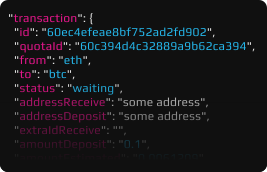
Crypto Exchange API
Enable crypto swaps, staking, loans, and fiat in your app—without building 30 integrations.

Crypto Wallet Security Tips
Why Should You Really Care About Bitcoin and Crypto Security?

Hidden Fees in Crypto: Why You Pay More Than You See
Uncover the hidden costs of crypto trades, from spreads to slippage, and learn how to minimize them
شركاؤنا
شركاؤنا